Research

restoration ecology, population dynamics, dryland conservation

Seed Harvesting and Population Dynamics

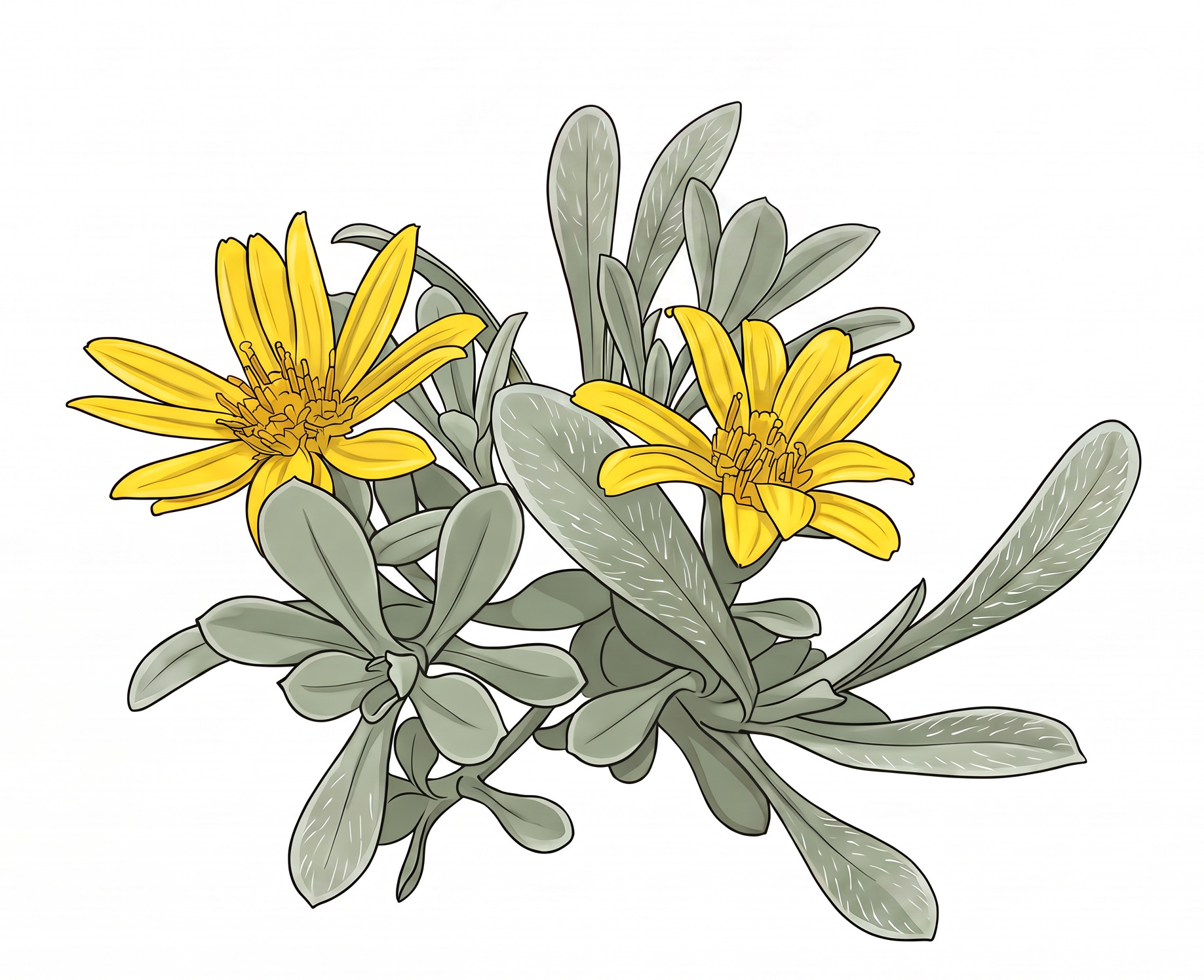
Cartoon image of Heterotheca villosa with white background

Heterotheca villosa, or hairy goldenaster


How does seed harvesting shape population dynamics and long-term persistence? Experimental demographic data and population viability analysis come together to connect observed changes in fecundity with their consequences at the population level.

Rather than treating the effects of harvesting as fixed assumptions, my research uses experimental evidence to examine how populations respond under different harvest scenarios. This project will offer a stronger link between empirical observations and predictive models.
Allele Biased Expression: Reduced Endurance?

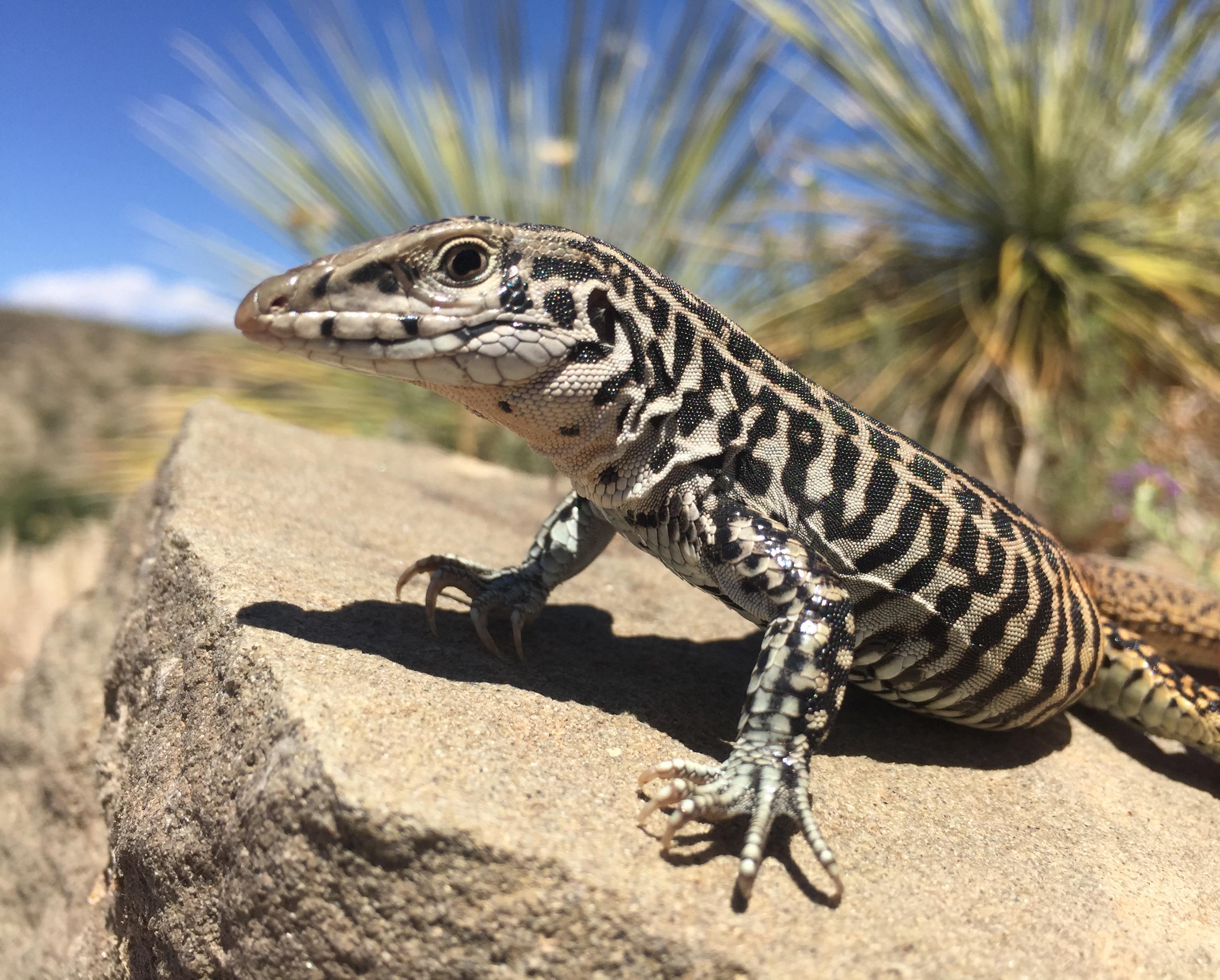
Picture of species of interest showing head and body, checkered whiptail

Aspidoscelis tesselatus, or common checkered whiptail


Some whiptail lizards exhibit a fascinating reproductive strategy known as parthenogenesis, where females reproduce asexually and produce genetically identical offspring without male contribution. This mode of reproduction has implications for mitochondrial function, as asexual species can display lower-quality mitochondrial activity.

In this research, we defined ancestral paternal and maternal lineage boundaries within the genome, focusing on differential gene expression between the nuclear-mitochondrial interactions, offering insight into how gene expression differs across these lineages.

scRNA Isoform Analysis through Long-read sequencing

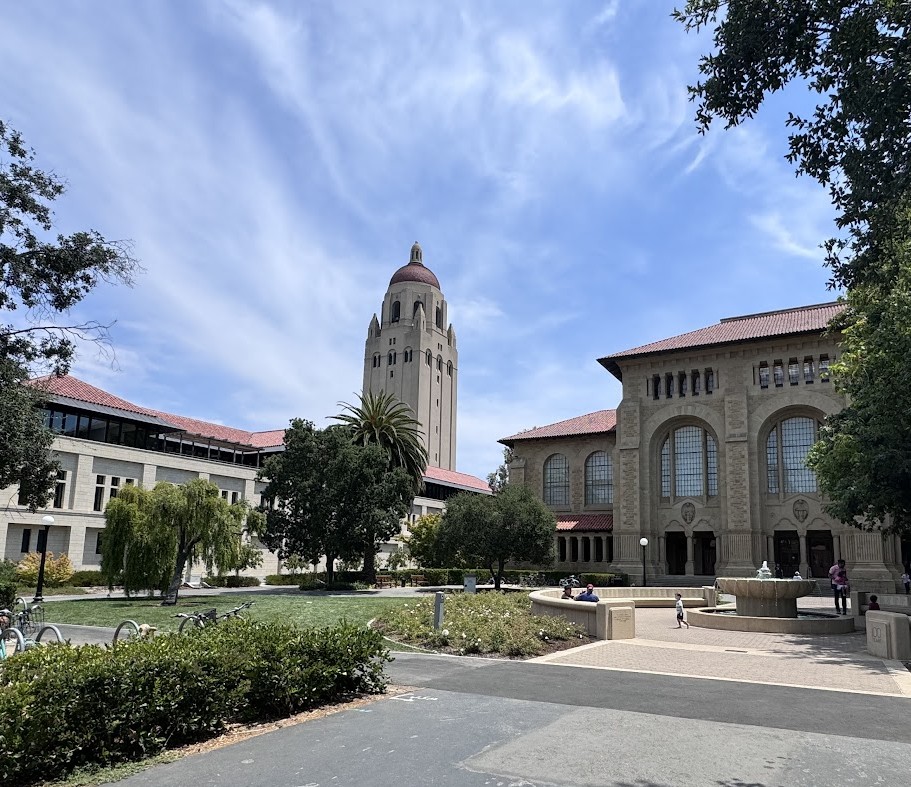
Blue sky with Stanford tower in image

The tower, Stanford University


In Dr. Hanlee Ji’s lab, I analyzed single-cell RNA sequencing data generated with Oxford Nanopore long-read technology to investigate spatial gene expression and uncover transcript isoforms. My work focused on identifying and quantifying isoforms at the single-cell and cell-type levels, using Seurat to support data integration and analysis.

I evaluated several long-read isoform analysis pipelines—including FLAIR, FLAMES, and scNanoGPS—comparing their performance and suitability for our data. Based on these findings, I helped develop a custom analysis pipeline tailored to the project’s needs.


CatPop: a population-level bioinformatics tool

Blue cake pop with cat's face

CatPop logo via Dr. Randy Klabacka


In Dr. Randy Klabacka's lab, we created a bioinformatics software package that uses combinatorics to create all possible scenarios of two population assignments, performs a permutation test for each comparison, generates a p-value distribution plot, and returns genes of significance.

This tool identifies whether there is greater divergence in "between" comparisons compared to "within" comparisons. This information is widely applicable in identifying alleles more prevalant in populations of one ecotype compared to another. This tool can be used across organisms and categories. The repository can be found at: https://github.com/klabacka-lab/CatPop